Equestrian Equipment Guide: Essentials for Riding and Groundwork
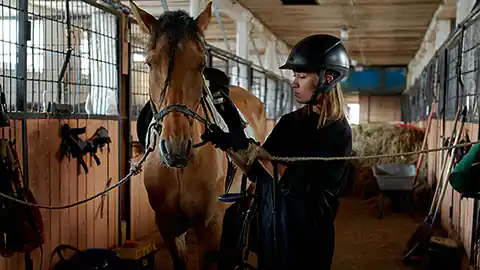
Stepping into the world of equestrian sports can feel like learning a completely new language. From the leather straps on a horse’s head to the iron on its feet, every piece of tack serves a specific purpose: protecting the horse’s body, ensuring safety, and enabling precise communication between horse and rider.
For short, we tell you as a summary: Equestrian equipment is a careful blend of tradition and biomechanical engineering. From the precision of the bridle to the rugged safety of gaiters and halters, every piece of gear is designed to enhance the partnership between human and horse. By understanding how each component works, you ensure a safer, more comfortable, and highly rewarding athletic experience for both species.
Whether you are gearing up for under-saddle work or preparing for groundwork, here is the ultimate breakdown of essential horse equipment.
©
Sergey Makashin / Pexels SourceBridle and Its Anatomy
The bridle is the primary headpiece used for riding. It holds the bit in place and allows the rider to communicate direction and tempo through the reins.
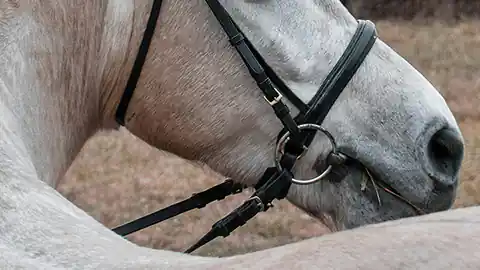
A standard English bridle consists of several interconnected leather straps:
- Crownpiece (Headpiece): The main strap that sits right behind the horse’s ears on the sensitive poll area.
- Browband: Runs across the horse’s forehead, preventing the crownpiece from slipping backward down the neck.
- Cheekpieces: The straps running down the sides of the face that buckle directly onto the rings of the bit, adjusting how high it sits in the mouth.
- Throatlatch: A safety strap buckled under the horse’s throat to prevent the bridle from being accidentally pulled over the horse's head.
- Noseband (Cavesson): Encircles the nose. It helps stabilize the jaw and prevents the horse from crossing its jaw or opening its mouth too wide to evade the bit.
- Bit and Reins: The bit is the metal piece resting in the zahnfreier (toothless) gap of the mouth, connected to the long leather reins held by the rider.
Saddle: The Structural Weight Distributer
The saddle is the largest investment a rider makes. Its primary job is to evenly distribute the rider's weight across the large muscles of the horse's back, completely freeing the spine and withers from direct pressure.
Saddles are highly specialized based on the sport. A Dressage saddle features a deep seat and long, vertical flaps to encourage an upright posture and long leg position. A Show-Jumping saddle features a flat seat and forward-cut flaps to accommodate short stirrups and mid-air balance. Regardless of style, a saddle must always be checked by a professional fitter to ensure it doesn’t pinch the shoulders or press onto the horse's lumbar spine.
Digital Billboard

©
horseback-riding.net1. Placement: € 138 / Year
Digital advertising for a sensational price with a static link for your do-follow-dreams is available here. Get your customers here, let your business grow with us. It's: First come, first serve!
Online-Ads Horses & Riding©
horseback-riding.net2. Placement: € 148 / Year
Digital advertising for a sensational price with a static link for your do-follow-dreams is available here. Get your customers here, let your business grow with us. It's: First come, first serve!
Online-Ads Horses & RidingGaiters (Leg Boots) and Horseshoes: Protecting the Lower Leg
A horse’s lower legs consist almost entirely of bone, tendons, and ligaments covered by a thin layer of skin—there is no protective muscle or fat.
Gaiters (Brushing / Tendon Boots)
Gaiters are protective wraps or hard-shell boots strapped around the lower leg (the cannon bone and fetlock joint).
The Purpose of Gaiters: They act as a shield. During high-intensity training, jumping, or turn-out on the pasture, gaiters prevent a horse from accidentally striking its own legs with its opposing hooves (brushing) and absorb shock from hitting obstacles.
Horseshoes
Often called the "tires" of the horse, shoes are traditionally made of steel or aluminum, though modern versions include rubber and polyurethane plastics.
The Idea of Horseshoes: Horseshoes protect the hoof wall from excessive wear and tear on hard or abrasive terrain (like asphalt or stony paths). They are also used orthopedically by farriers to correct conformation flaws, relieve joint pain, or provide extra grip on slippery turf via small studs.
Halters (Holsters) and Leading Gear for Groundwork
Before a rider even gets into the saddle, communication begins on the ground. For leading, tying, and groundwork exercises, riding tack is swapped for a halter (often called a holster or headcollar).
- Stable Halters (Nylon or Leather): Broad, flat-strapped headcollars used for everyday handling, grooming, and tying up safely. Leather halters are preferred for turnout because they will break under high pressure if a horse gets caught on a fence, preventing severe neck injuries.
- Rope Halters: Made from a single piece of high-tensile marine rope, these feature strategically placed knots that sit on the horse’s facial pressure points. They are strictly used for groundwork training (like natural horsemanship), never for tying a horse up, as the thin rope can cause severe bruising under pressure and will not break in an emergency.

More on Horseback Riding...

©
R. Vidmar (echonet)Enjoy Cuba instead of Hurry Cuba
See the beautiful cities of Cuba, enjoy your rides, visit great tobacco farms and be guided by locals. Why more and more people use the service these european guys startet? Well, because they are into the service idea.
Transfers in Cuba
©
Milan Markovic / Can Stock Photo Inc. (07022017)Performing Events?
Get your event done and create professional invitations. Resending invitations to people who did not react, try the check-in-system or manage the plus ones of your guests. A ready 2 go solution by echonet.
Guestlist ManagementMistake on the site?
If you see a mistake on our page about horseback riding and horses on our website horseback-riding.net or specifically on the subpage with the headline Essential Horse Equipment: Tack & Groundwork Guide we're looking forward to your mail. Please feel free to contact our Content-Team and tell us about our mistake so we can correct it as fast as possible. Thank you!